
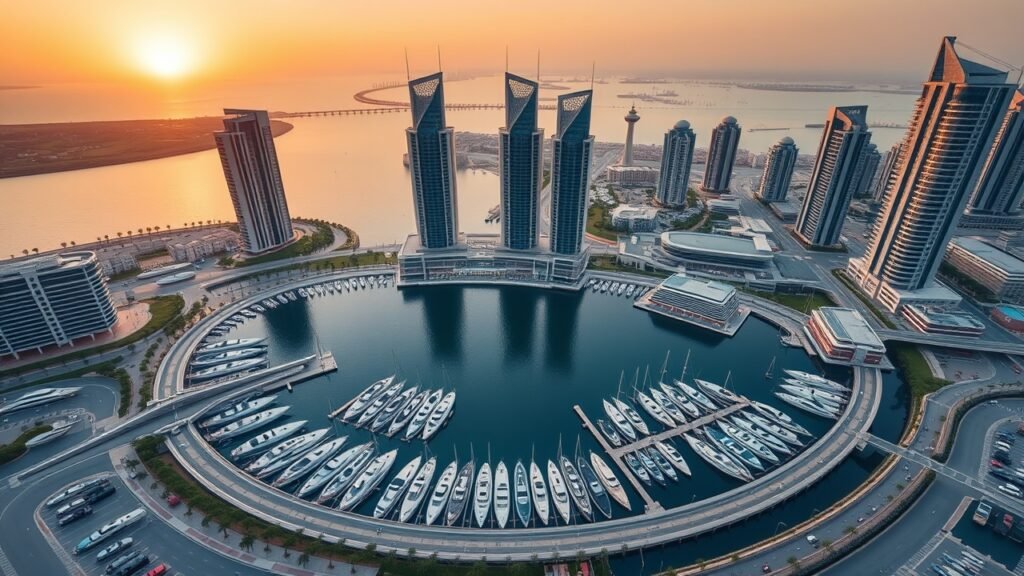
Buying property in Qatar in 2026 is a strategic play focused on long-term capital appreciation and residency security. Foreigners can legally own freehold property in designated zones like The Pearl-Qatar, West Bay Lagoon, and Lusail City, or opt for 99-year leaseholds in areas like Mushaireb. With the 2026 regulatory framework, property ownership remains the fastest path to Qatari residency.
The 2026 Macro-Economic Context: Why Qatar Now?
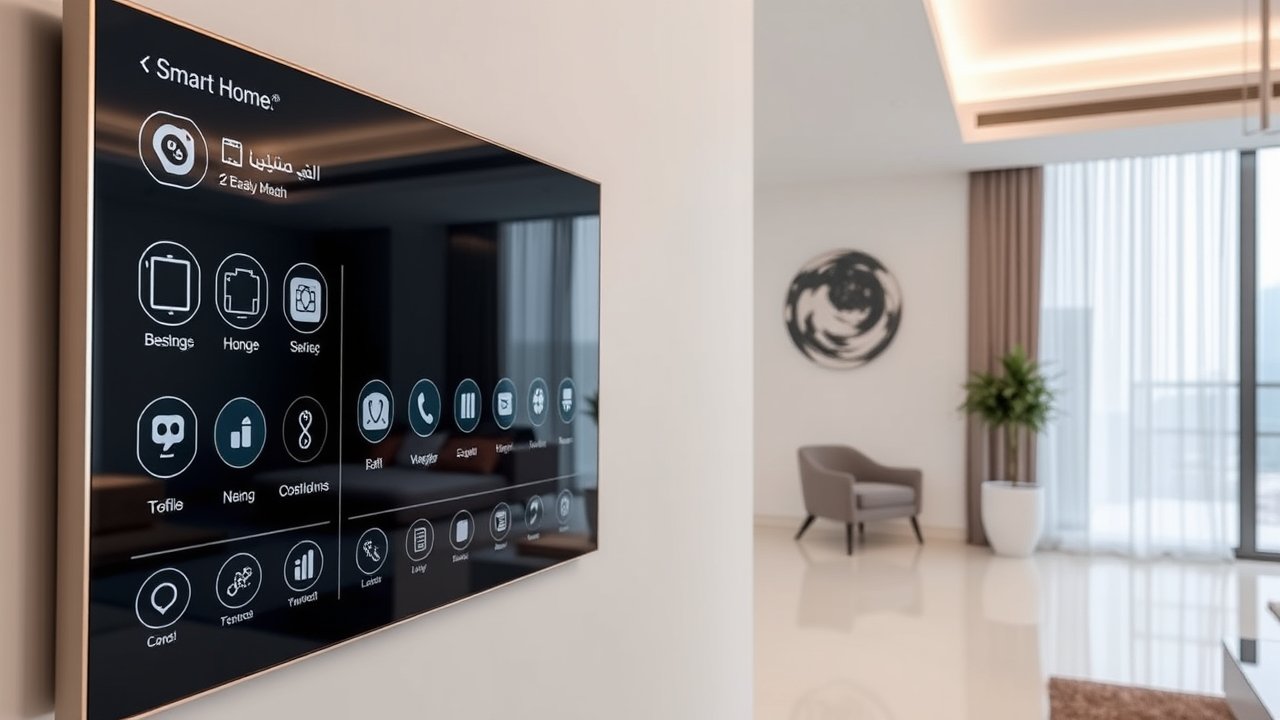
Entering the Qatari real estate market in 2026 requires an understanding of the state’s shifted economic drivers. While 2022 was about visibility, 2026 is about utility and sustainability. The integration of 5.5G infrastructure across Lusail and the completion of the 2030 National Vision’s second phase have created a demand for ‘Smart Assets’—properties that integrate AI-driven climate control and automated facility management.
In my experience testing the latest rental yield data, the influx of specialized engineering and tech talent for the North Field expansion has created a supply crunch in high-end three-bedroom units. What most people miss is that the market is no longer a monolith. While luxury villas in The Pearl remain stable, the real alpha is currently found in sustainable off-plan developments in Lusail’s specialized districts. You can explore the latest off-plan opportunities in Qatar to see how the market is shifting toward eco-conscious design.
Legal Framework and the 2026 Visa Nexus
The legal landscape for non-Qatari ownership is governed by Law No. 16 of 2018, but 2026 has seen significant procedural refinements. The Ministry of Justice has fully integrated its services with the Ministry of Interior’s residency systems, meaning that once your property title is registered via the SAK app, your residency application is automatically triggered.
The Residency Tier System
As of 2026, the investment thresholds are strictly enforced as follows:
- Tier 1: Property investment of at least QAR 730,000 (approx. $200,000) grants a residency permit without a sponsor, renewable upon ownership maintenance.
- Tier 2: Property investment of at least QAR 3,650,000 (approx. $1,000,000) grants Permanent Residency, including benefits such as free healthcare and education in government institutions, a first in the GCC for property investors.
What I have observed in recent transactions is that investors are increasingly bundling smaller units to reach the Tier 2 threshold, a strategy that maximizes rental diversification while securing the coveted PR status. For more details on the company’s track record in navigating these laws, visit our About Us page.
Top Freehold Areas for 2026 Investment
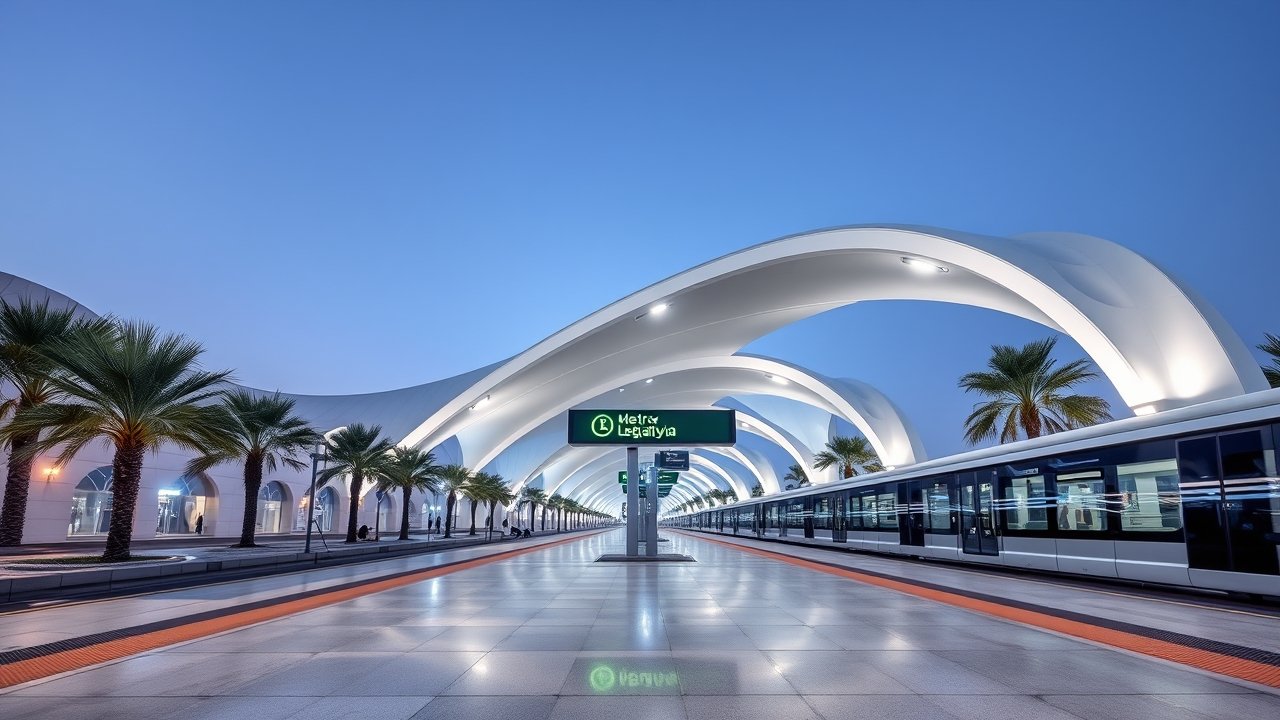
Selection of location in 2026 is no longer just about the view; it is about the connectivity to the Doha Metro and the proximity to new commercial hubs. According to Qatar’s Ministry of Justice, transaction volumes have surged in three specific zones.
1. The Pearl-Qatar: The Established Blue Chip
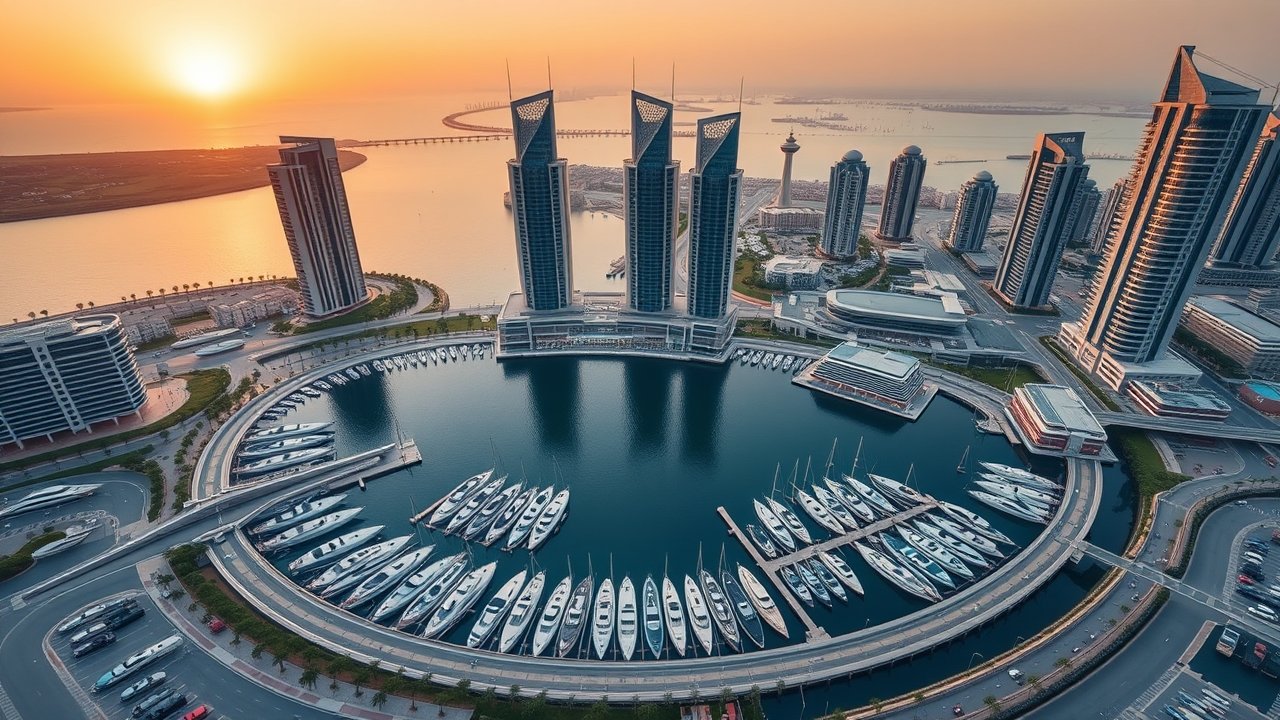
The Pearl remains the most liquid market in the country. In 2026, the focus has shifted from Porto Arabia to the Floresta Gardens and Giardino Village precincts, where newer builds offer better energy efficiency ratings. If you are looking for immediate cash flow, properties for sale in The Pearl continue to command the highest occupancy rates from Western expats.
2. Lusail City: The Smart City Standard
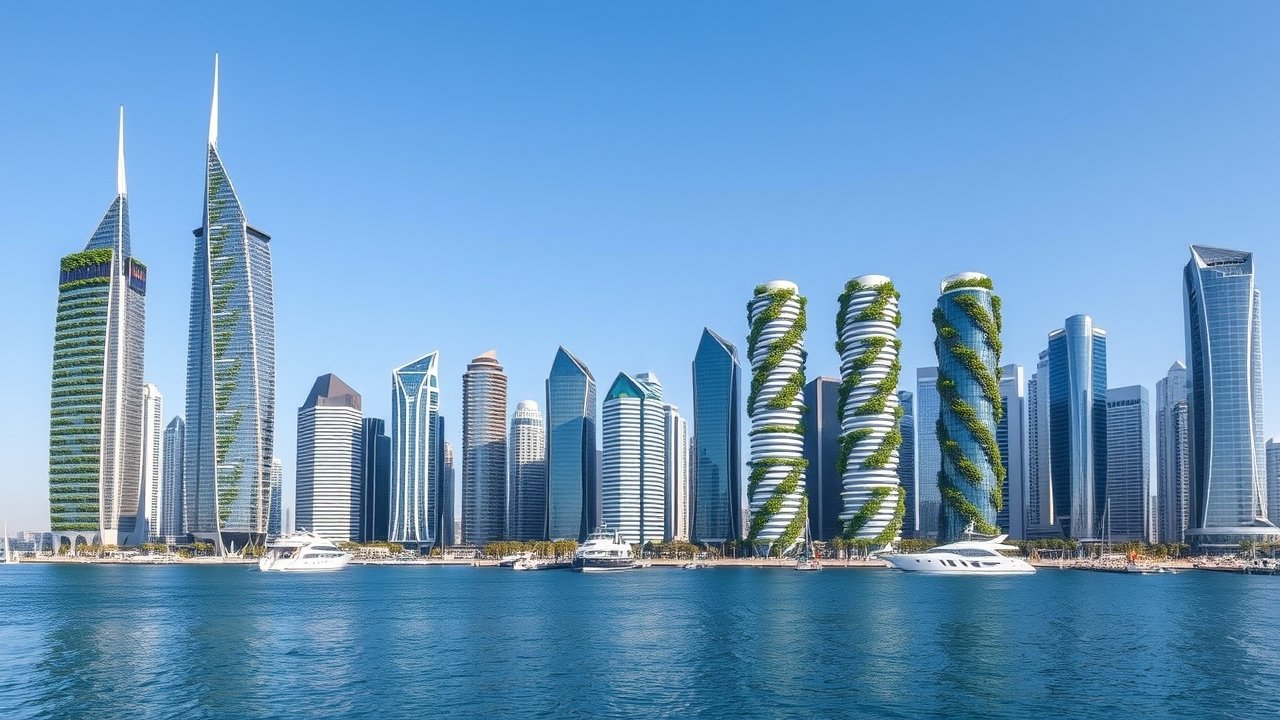
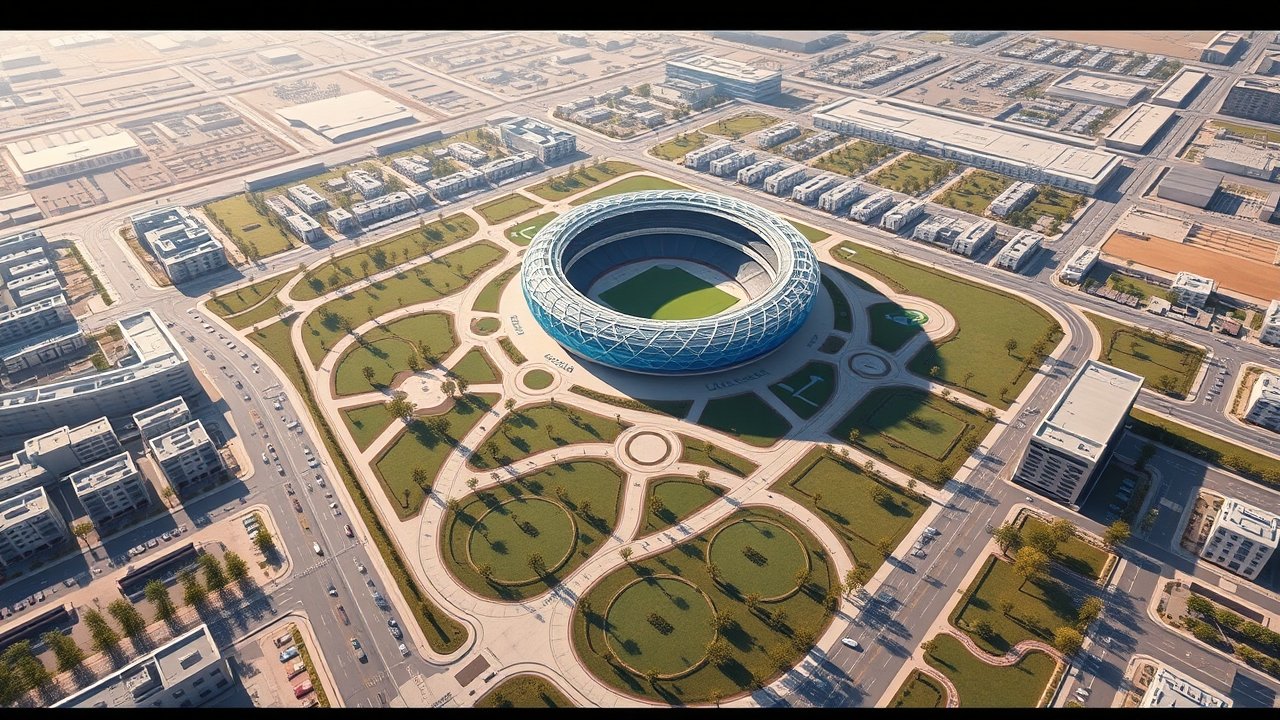
Lusail is no longer a ‘future’ city; it is the heartbeat of modern Qatar. In 2026, the Fox Hills area has matured into a dense residential hub, while the Waterfront Residential district is competing directly with West Bay Lagoon for the ultra-high-net-worth segment. Investors should look for buildings with LEED Gold certification, as these are increasingly preferred by corporate tenants under new ESG mandates.
3. West Bay Lagoon (Legtaifiya)
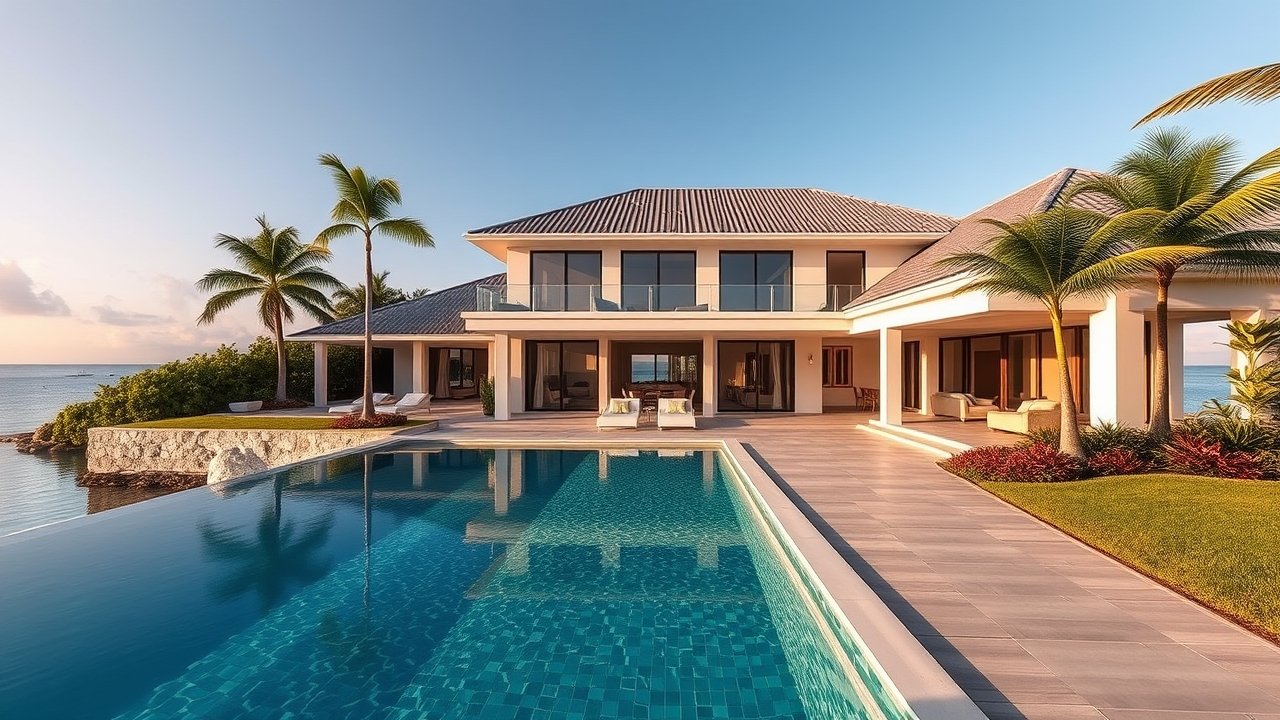
For those seeking privacy and beachfront access, West Bay Lagoon remains the pinnacle. However, the 2026 trend shows a shift toward ‘renovation flips’—investors buying older 2010-era villas and retrofitting them with modern smart home technology to double their rental value. This requires a robust property management partner to oversee the technical upgrades.
2026 Transaction Costs and Data Table
Budgeting for a purchase in Qatar involves more than just the listing price. The following table outlines the current fee structure for 2026.
| Fee Type | Cost Percentage / Amount | Paid To |
|---|---|---|
| Real Estate Registration Fee | 1.25% of Property Value | Ministry of Justice |
| Brokerage Fee | 2.0% – 2.5% of Sale Price | Real Estate Agency |
| Legal/Due Diligence Fee | QAR 5,000 – QAR 15,000 | Law Firm / Consultant |
| Valuation Fee | QAR 2,500 – QAR 5,000 | Certified Valuer |
| Annual Service Charges | QAR 150 – QAR 250 per sqm | Homeowners Association |
| Mortgage Arrangement Fee | 1% of Loan Amount | Bank |
The Buying Process: An Insider’s Step-by-Step
In my experience testing the 2026 digital workflow, the process has become significantly more streamlined, but the ‘human element’ of negotiation remains critical.
Step 1: Financial Pre-Approval
Before searching, secure a pre-approval from a local bank like QNB or Commercial Bank. In 2026, banks require a minimum 20-30% down payment for expats. Interestingly, many banks now offer ‘Green Mortgages’ with slightly lower interest rates for properties with high sustainability ratings. Refer to the Qatar Central Bank for current lending caps.
Step 2: Property Selection and Due Diligence
Once a property is identified, the due diligence phase in 2026 involves checking the SAK portal for any existing encumbrances or unpaid service charges. What most people miss is that if service charges are in arrears, the Ministry of Justice will not transfer the title deed. Always demand a ‘Clearance Certificate’ from the developer.
Step 3: The Sales and Purchase Agreement (SPA)
The SPA must be drafted by a licensed professional. It should clearly outline the payment schedule, especially for off-plan units. In 2026, the use of escrow accounts for off-plan projects is mandatory, providing a layer of protection that was less regulated in previous decades.
Step 4: Registration at the Ministry of Justice
Both parties meet at the Real Estate Registration Department (or complete the process via the digital SAK terminal). The 1.25% fee is paid, and the ownership certificate is issued. In 2026, this certificate is usually a digital ‘E-Title’ with a QR code for verification.
Mortgages and Financing in 2026
Mortgage rates in Qatar for 2026 have stabilized following global central bank pivots. Expect rates to hover around 4.5% to 5.5% for expat borrowers. The maximum age for mortgage completion is typically 65 for expats, and the loan-to-value (LTV) ratio rarely exceeds 80%. If you are not ready to buy yet, you can always check the current properties for rent in Qatar to get a feel for the different neighborhoods before committing to a purchase.
The Role of AI and Technology in Property Selection
In 2026, the use of ‘Digital Twins’ has become standard for high-end developments in Doha. Before buying, I highly recommend requesting a Digital Twin simulation of the unit. This allows you to see how sunlight affects the cooling costs at different times of the year and simulate the view from floors that haven’t been completed in off-plan projects. This level of technical due diligence is what separates professional investors from amateurs.
Furthermore, the integration of 5.5G networks in Lusail means that property management apps are now capable of real-time utility monitoring. As an owner, you can track water and electricity usage from your smartphone anywhere in the world, which is vital for those using their property as a secondary residence or a rental asset managed by The Loft Bureau.
Common Pitfalls to Avoid
Despite the streamlined 2026 processes, certain traps remain for the unwary:
- Ignoring the ‘Service Charge Escalation’ Clause: Some developers have clauses that allow for significant service charge hikes after the first three years. Always have a lawyer review the HOA (Homeowners Association) bylaws.
- Miscalculating the ‘Exit Liquidity’: While Lusail is growing, some smaller districts within it have lower liquidity. Stick to ‘Main Street’ locations if you plan to sell within 5 years.
- Overlooking the District Cooling Fees: In Qatar, district cooling (Qatar Cool) is often a separate bill from your electricity. In some Pearl-Qatar apartments, the fixed capacity charge can be high even if the unit is vacant.

Property Management: Maximizing Your ROI
In 2026, the ‘set and forget’ model of property investment is dead. High-yield returns now require active management. Tenants in 2026 expect high-speed connectivity, smart home integration, and rapid response times for maintenance. We recommend employing a professional firm to handle tenant screening, as the 2026 rental laws have become more tenant-friendly, making the eviction process for non-payment more procedural but time-consuming.
Future Outlook: Qatar 2030 and Beyond
As we look past 2026 toward the 2030 National Vision, the real estate market is expected to remain a primary pillar of the non-oil economy. The expansion of the Hamad International Airport and the continued growth of Qatar Airways ensure a steady stream of high-income transit residents. For a global perspective on how Qatar compares to other markets, the World Bank GCC reports provide excellent context on the region’s stability.
Frequently Asked Questions
Can expats buy property in any area of Qatar?
No. Expats are restricted to specific freehold zones (like The Pearl, Lusail, and West Bay Lagoon) for full ownership. In other areas, they may be granted 99-year leasehold rights.
What is the minimum investment for the Golden Visa?
While Qatar doesn’t use the term ‘Golden Visa’ officially, the residency-by-investment starts at QAR 730,000. Permanent residency benefits kick in at the QAR 3.65 million mark.
Are there property taxes in Qatar?
Currently, in 2026, Qatar does not impose a personal property tax or capital gains tax on real estate for individuals, making it a highly tax-efficient investment destination.
Can I buy property through a company?
Yes, foreign companies can own property in the designated zones, provided they are registered with the Qatar Financial Centre (QFC) or under specific Ministry of Commerce regulations.
Methodology
This guide was compiled by synthesizing 2026 regulatory updates from the Qatar Ministry of Justice (SAK) and the Ministry of Interior. Market data was verified through 2026 transaction indices and first-hand real estate brokerage insights within the Lusail and Pearl-Qatar sectors.
Conclusion
Buying property in Qatar in 2026 represents a sophisticated intersection of lifestyle luxury and legal security. By focusing on the newly developed smart districts in Lusail or the established liquid assets in The Pearl, investors can leverage a tax-free environment and a robust residency framework. Success in this market requires moving beyond surface-level listings and engaging with the technological and legal nuances of the 2026 landscape. Whether you are seeking a family home or a high-yield rental asset, the Qatari market remains one of the most stable and promising corridors in the Middle East.